
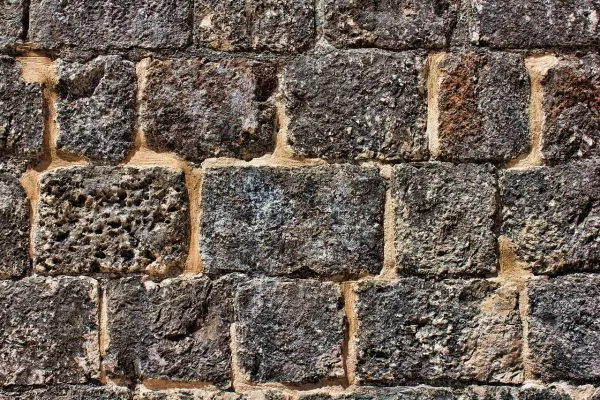
 If your lawn has a retention wall, then you understand the value it plays in soil retention. For the most part, the retention wall blocks don’t require much maintenance. After all, they are mainly made from stone or concrete, which is highly durable and long-lasting. Nevertheless, there are active steps North Seattle homeowners can take to prolong their lives further. Here are some considerations to ensure you get the most out of this important exterior fixture.
Perform Regular Inspections
Homeowners should regularly perform visual inspections every few months to assess the retention wall blocks for signs of wear and tear. Signs of damage include visible cracks and bulges. You may also notice individual stones appear loose or jutting out.
Furthermore, if you examine the base, you may notice abnormally high soil washout, especially after a heavy rain spell. Many of these issues may start off as relatively minor and have no major impact on the wall’s stability and function. However, if left to linger, structural issues can begin to develop.
Maintain a Clear Drainage System
Water is the biggest threat to a retention wall. This is particularly the case if water pools around the base following rain. The fact that water is allowed to accumulate points to functional problems with the drainage system. Retaining walls are installed with built-in drainage that includes weep holes, gravel backfills, and drain pipes.
To keep these systems clear, regularly check that the gravel backfill isn’t clogged with soil. Similarly, check that the weep holes aren’t clogged with debris. As for the house, ensure that the roof’s gutter system and downspout are clear and not clogged with debris.
Regularly Clean the Wall
Use a garden hose to clean the retention wall blocks. This is all it takes; you don’t need fancy cleaners or detergents, though mild soap is acceptable for treating stubborn stains. If moss is present, use a pressure washer at a low setting to remove it. Moss carries moisture, and the water can seep into cracks or openings in the stone, leading to accelerated damage. Avoid using a pressure washer on the maximum setting, as this could chip away loose mortar or stones.
Address Minor Repairs
Small cracks, chips, or broken-off mortar may seem negligible, but the issue can quickly exacerbate. Even an inch-long crack is enough for water to get in and cause the crack to expand until the entire block splits. A small crack is easy and inexpensive to repair. Unless you have industry experience, it’s best to leave the repairs to a professional. A contractor can restore cracks using masonry sealant. Individual blocks can also be replaced. Furthermore, mortar joints can be restored as needed.
Prevent Frost Damage
The North Seattle area does get cold enough in the winter for the morning dew to freeze and then thaw. The constant freezing and thawing can lead to the retaining wall shifting and leaning. A contractor can prevent frost damage by improving the drainage system and using breathable masonry sealer to prevent water from getting into porous stones and bricks.
We Install and Restore Retention Wall Nlocks for North Seattle Properties
Leave it to Eagle Rock Landscaping to address existing issues with your retaining wall. We repair, restore, and replace individual retention wall blocks and keep the wall in a healthy condition. For additional rockery, hardscape, and excavation services, contact us to find out how we can be of assistance. Let us keep your property exterior functional and visually appealing.
Professional Care for Your Retention Wall Blocks
Serving Seattle, West Seattle, North Seattle, Ballard, Magnolia, and Issaquah
Posted on August 09, 2025 | Published by Ignite Local | Related Local Business