
 If you have a sloped yard in Seattle, you have probably asked yourself whether a rockery or a retaining wall makes more sense for your property. Both options hold back soil and prevent erosion, but they work in different ways and fit different budgets. Here is what you need to know before you choose.
What Is the Difference Between a Rockery and a Retaining Wall?
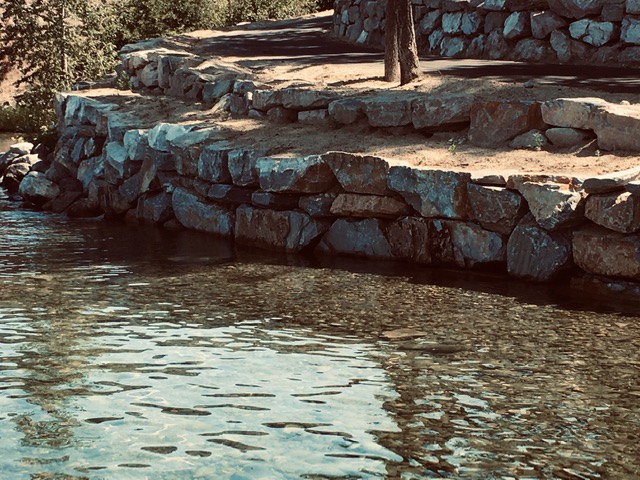
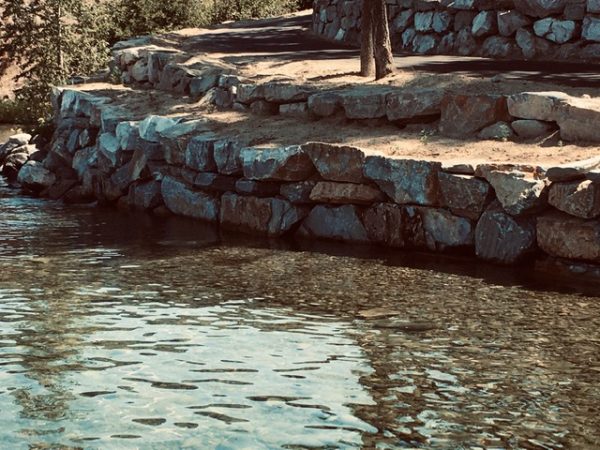
A rockery uses large, interlocking boulders stacked without mortar to hold back a slope. The weight and shape of the stones create natural stability, similar to how boulders settle on a hillside over time. A retaining wall, on the other hand, is typically built from poured concrete, concrete blocks, or timber, often reinforced with steel or engineered drainage systems.
Rockeries tend to have a more natural, organic look. Retaining walls offer a cleaner, more uniform appearance. Your choice often comes down to the style of your home and the slope you are working with.
Comparing Costs for Rockeries and Retaining Walls in Seattle
Cost is usually the first question homeowners ask. In general, rockeries cost less per square foot than engineered retaining walls, mainly because they use fewer materials and require less specialized labor. However, the price can shift depending on stone size, slope height, and site access.
Retaining walls, especially those built to meet Seattle’s engineering codes for taller slopes, often involve permits, drainage systems, and structural reinforcement. These steps add to the cost but are necessary for safety on steep or unstable ground.
If your budget is tight and your slope is moderate, a rockery may offer the best value. For taller slopes or areas near a foundation, a retaining wall might be the safer long-term investment.
Which Option Lasts Longer in Seattle’s Climate?
Seattle’s wet winters and clay-heavy soil put pressure on any structure holding back a hillside. Rockeries handle this well because water drains naturally between the stones instead of building up behind a solid barrier. This reduces the risk of hydrostatic pressure, which is one of the leading causes of wall failure in the Pacific Northwest.
Retaining walls can last just as long, but only if they include proper drainage, like weep holes or gravel backfill. Without that drainage, walls are more likely to crack, lean, or fail over time.
Choosing Between a Rockery and Retaining Wall for Your Property
There is no single answer that works for every yard. A few factors should guide your decision:
Slope height. Shorter slopes often work well with either option. Taller slopes usually need the engineering strength of a retaining wall.
Soil type. Seattle’s clay soil holds water, which favors the natural drainage of a rockery in many cases.
Budget. Rockeries are often more affordable upfront, while retaining walls may offer more design flexibility for complex spaces.
Aesthetic goals. If you want a natural, landscaped look, a rockery blends well with plants and garden beds. If you prefer clean lines, a retaining wall may suit your home better.
A local hardscaping expert can walk your property and recommend the right fit based on your slope, soil, and drainage needs.
Frequently Asked Questions
Is a rockery cheaper than a retaining wall?
In most cases, yes. Rockeries typically cost less because they use fewer engineered materials and less labor. Retaining walls can cost more, especially when permits and drainage systems are required for taller slopes.
Do rockeries need a permit in Seattle?
It depends on the height of the slope. Seattle often requires permits for rockeries or walls taller than four feet. A contractor familiar with local codes can confirm what applies to your project.
How long do rockeries last compared to retaining walls?
Both can last for decades when built correctly. Rockeries benefit from natural drainage between stones, while retaining walls need proper drainage systems built in to avoid pressure damage over time.
Ready to Compare Your Options in Person?
Choosing between a rockery and a retaining wall is easier with an expert eye on your actual slope, soil, and drainage patterns. Eagle Rock Landscaping Inc. can assess your property and help you decide which option fits your budget, your style, and your long-term goals. Call today or schedule a free consultation to get a clear plan for your yard.
Posted on July 16, 2026 | Published by Ignite Local | Related Local Business