
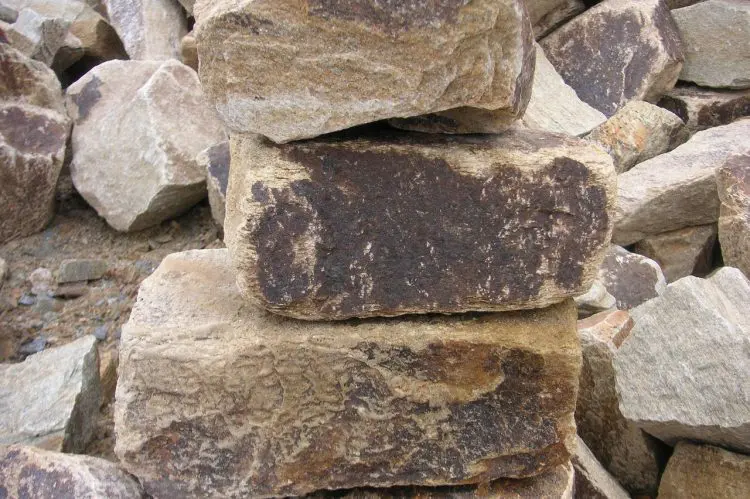
 If you own a home on a slope in Burien, you probably have a rockery holding back your yard. Most people never think about it until something looks wrong. A leaning stone, a soggy patch of grass, or a crack in the patio above it can all be early clues. Catching these signs early can save you thousands compared to waiting for a full collapse. Here’s what to look for and why it happens.
What Does a Failing Rockery Look Like in Burien?
A failing rockery in Burien usually shows itself slowly, not all at once. The wall was built to hold back soil and water pressure from the slope behind it. When that pressure builds up faster than the wall can handle, the stones start to move. You might notice a slight lean one season and a bigger bulge the next. The earlier you catch it, the fewer stones need to come out during repair.
Bulging or Leaning Stones
This is the most obvious warning sign. A healthy rockery stands straight, with each stone sitting tight against the ones around it. If a section starts to bow outward or tilt forward, the soil behind it is pushing harder than the wall can resist. This often happens near the base first, since that’s where the most weight and water pressure collect.
Cracks, Gaps, and Shifting Rocks
Look closely at the spaces between stones. Small gaps are normal in a rockery, but growing gaps are not. If you can wiggle a stone by hand or see daylight where there used to be a tight fit, the wall is losing its grip. Cracks in nearby concrete, patios, or driveways above the wall often show up around the same time, since the ground is moving underneath them too.
Water Pooling or Drainage Problems Behind the Wall
Rockeries are only as strong as the drainage behind them. If water can’t escape through the gaps in the stone, it builds up and pushes outward with real force. Watch for water pooling at the base of the wall after rain, damp patches that never fully dry, or water seeping out between stones days after a storm. In Burien’s wet winters, poor drainage is one of the top reasons rockeries fail.
Soil Erosion and Settling Ground
Take a look at the ground just above and below the wall. If you see bare patches where soil has washed away, small sinkholes, or a yard that feels soft and spongy underfoot, soil is likely escaping through gaps in the rockery. This robs the wall of the support it needs and speeds up failure.
Vegetation Growing Out of Joints
A little moss is normal. But if you see grass, weeds, or small shrubs rooting deep in the joints between stones, their roots may be prying the rocks apart from the inside. This is a slower process, but it adds up over years and weakens the wall’s structure.
Why Rockeries Fail in Burien’s Climate and Soil
Burien sees heavy seasonal rain and sits on the kind of glacial soil common across the Puget Sound area. That soil holds water and swells, then dries and shrinks, putting constant stress on retaining structures. Add in slopes left over from the region’s terrain, and it’s easy to see why rockeries built without proper drainage or footing tend to struggle over time.
What to Do If You Spot These Signs
Don’t wait for a full collapse before calling someone. A rockery showing early warning signs can often be repaired in sections. One that has already shifted significantly may need a partial or full rebuild. Either way, an experienced eye can tell you which stones are still doing their job and which ones need to come out.
Frequently Asked Questions
How much does it cost to repair a failing rockery in Burien? Cost depends on the length and height of the wall, how much soil has shifted, and how easy the area is to access. A short section repair costs far less than a full rebuild, which is why catching problems early matters. The best way to get an accurate number is a free, in-person estimate.
Can a failing rockery be fixed, or does it need to be rebuilt? It depends on how far the damage has progressed. Early signs like small gaps or minor leaning can often be corrected by resetting stones and improving drainage. A wall that has bulged significantly or lost large sections of soil usually needs a more complete rebuild for long-term stability.
How long do rockeries typically last in the Seattle area? A well-built rockery with proper drainage can last for decades. Lifespan depends heavily on how it was originally constructed, especially whether drainage was installed correctly behind the wall. Poor drainage or a weak base can cut that lifespan down significantly, which is why the warning signs above are worth watching for.
Ready to Get Your Rockery Checked?
A failing rockery rarely fixes itself, and small problems only get more expensive to solve the longer they sit. If you’re seeing any of these warning signs on your Burien property, it’s worth getting a professional opinion before the next heavy rain. Eagle Rock Landscaping has been building and repairing rockeries across the Greater Seattle area for over 25 years. Contact us to request a free quote to schedule an inspection today.
Posted on September 10, 2026 | Published by Ignite Local | Related Local Business