
 Living in the Renton Highlands means a lot of rain, a lot of slopes, and soil that doesn’t drain well. If your yard stays soggy for days, or water pools near your foundation every winter, you are not alone. Many homeowners ask the same thing: what kind of retaining wall can actually handle all this water? For many properties, the answer is a rockery. Here is why rockery drainage is better in Renton Highlands, and how to tell if one is right for your yard.
Why Is Drainage Such a Problem in the Renton Highlands?
The Highlands sit on a plateau above the Cedar River valley. Much of the ground here is glacial till. That is a dense mix of clay, silt, and rock packed down by ancient glaciers. Locals often call it hardpan.
Rain soaks into the topsoil, hits that hard layer, and has nowhere to go. So it moves sideways and downhill. On a sloped lot, that water pushes against anything in its path, including your retaining wall. Add our long, wet fall and winter, and you get months of steady pressure on walls, patios, and foundations.
How Does a Rockery Handle Water Differently?
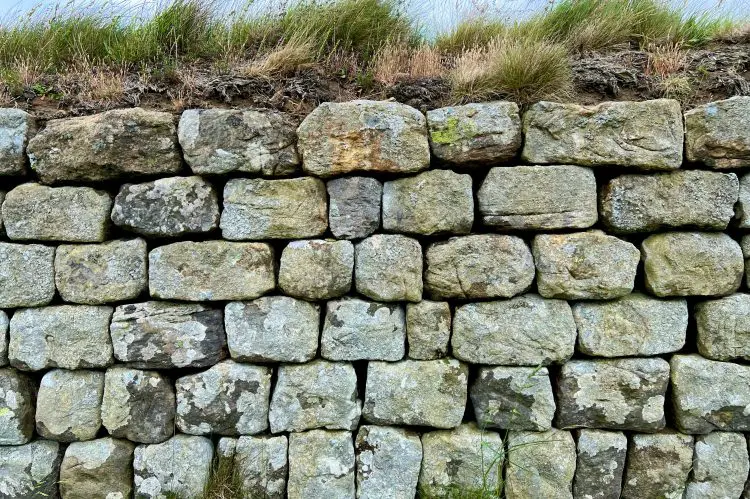
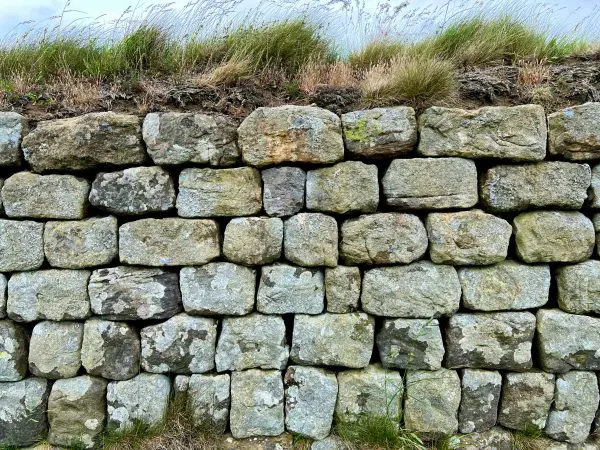
A rockery is a retaining wall built from large, stacked boulders. No mortar holds the rocks together. Instead, each rock is placed so its weight locks it in place.
That design is the key. The gaps between boulders act like built-in weep holes along the whole wall. Water seeps out through the face instead of building up behind it.
A solid concrete wall works the opposite way. It blocks water completely. If its drains clog, pressure builds behind the wall. This is called hydrostatic pressure, and it is a common reason solid walls crack, lean, or fail.
What Goes Behind a Well-Built Rockery?
The boulders you see are only part of the system. A properly built rockery also includes:
- Quarry spalls or drain rock packed behind the boulders, so water flows freely down to the base
- A perforated drain pipe at the footing to carry water away from the wall
- Filter fabric where needed, to keep fine soil from clogging the drain rock
- A firm base dug into solid native soil, with the largest rocks set at the bottom
Together, these pieces give water a clear path down and out. That keeps the soil behind the wall drier and more stable.
Why Homeowners Choose Rockery for Drainage in Renton Highlands
Better drainage is the main reason, but it is not the only one.
- Flexibility. A rockery can shift slightly as soil settles without cracking like concrete.
- Natural look. Basalt and granite boulders blend right into Pacific Northwest landscaping.
- Long life. A well-built rockery can last for decades with little upkeep.
- Room for plants. Gaps and terraces can hold ferns, sedum, and groundcovers that also soak up water.
Is a Rockery Right for Your Yard?
A rockery is a strong fit if you have a wet, sloped yard, soil washing downhill, or an old timber wall that is rotting out. It also works well for driveways and patios cut into a hillside.
Height matters, though. Taller walls, often those over about 4 feet, usually need a permit and an engineered design. A local contractor who knows Renton’s rules can help you plan the right size from the start.
Frequently Asked Questions
Do rockeries need a drain pipe?
Yes, in most cases. The gaps between rocks let water escape, but a perforated pipe at the base carries water away from the wall. In dense Renton Highlands soil, this pipe is an important backup.
How long does a rockery last?
A rockery built with large boulders, good drain rock, and a solid base can last 50 years or more. Poor drainage behind the wall is the most common reason a rockery fails early.
Is a rockery cheaper than a concrete retaining wall?
Often, yes. Rockeries usually cost less than poured concrete walls of the same height, and they need less upkeep. Final pricing depends on wall height, access to your yard, and rock size.
Ready to Fix Drainage on Your Renton Highlands Property?
If water is wearing down your slope or pushing on an old wall, a rockery can be a lasting fix. Eagle Rock Landscaping builds rockeries designed for the wet weather and dense soils of the Renton Highlands and greater Seattle area. Call us or request a free estimate today, and we will help you plan a wall that keeps your yard dry and stable for years to come.
Posted on October 10, 2026 | Published by Ignite Local | Related Local Business


