Is Rockery Drainage the Best Type of Retaining Wall in Renton Highlands?

rockery drainageLiving in the Renton Highlands means a lot of rain, a lot of slopes, and soil that doesn’t drain well. If your yard stays soggy for days, or water pools near your foundation every winter, you are not alone. Many homeowners ask the same thing: what kind of retaining wall can actually handle all this water? For many properties, the answer is a rockery. Here is why rockery drainage is better in Renton Highlands, and how to tell if one is right for your yard.

Why Is Drainage Such a Problem in the Renton Highlands?

The Highlands sit on a plateau above the Cedar River valley. Much of the ground here is glacial till. That is a dense mix of clay, silt, and rock packed down by ancient glaciers. Locals often call it hardpan.

Rain soaks into the topsoil, hits that hard layer, and has nowhere to go. So it moves sideways and downhill. On a sloped lot, that water pushes against anything in its path, including your retaining wall. Add our long, wet fall and winter, and you get months of steady pressure on walls, patios, and foundations.

How Does a Rockery Handle Water Differently?

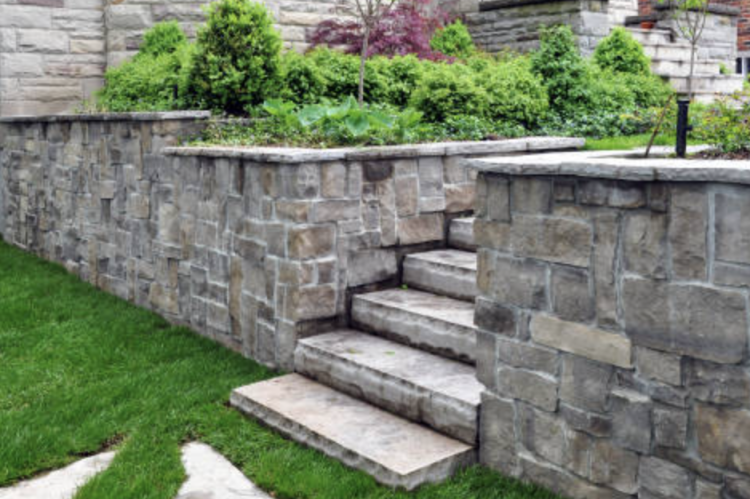
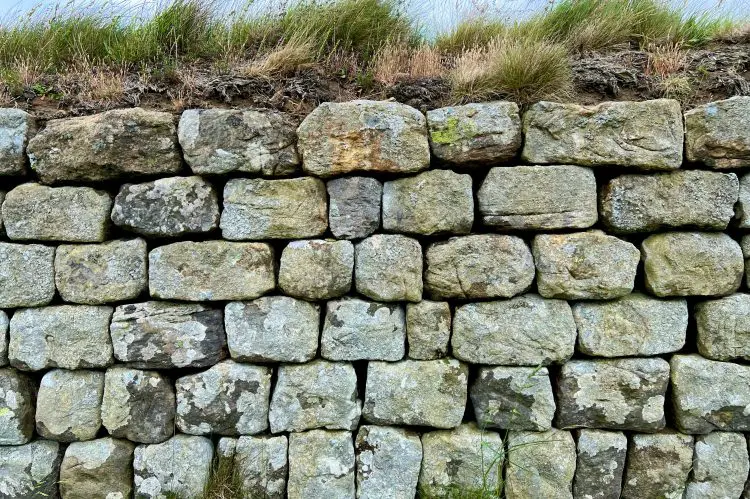
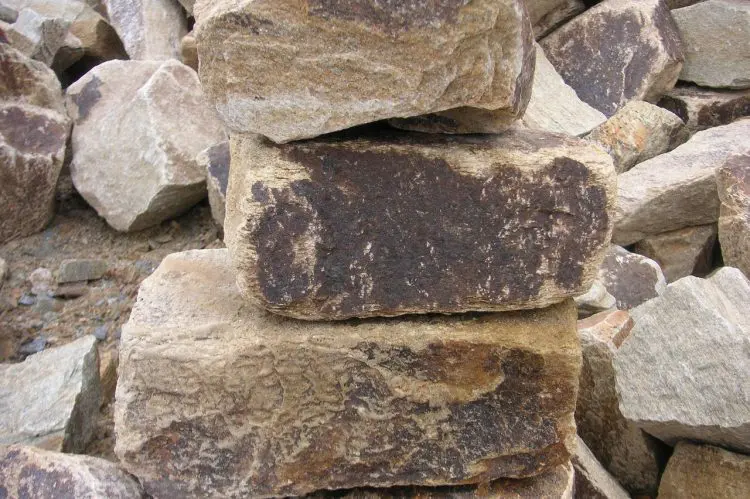
A rockery is a retaining wall built from large, stacked boulders. No mortar holds the rocks together. Instead, each rock is placed so its weight locks it in place.

That design is the key. The gaps between boulders act like built-in weep holes along the whole wall. Water seeps out through the face instead of building up behind it.

A solid concrete wall works the opposite way. It blocks water completely. If its drains clog, pressure builds behind the wall. This is called hydrostatic pressure, and it is a common reason solid walls crack, lean, or fail.

What Goes Behind a Well-Built Rockery?

The boulders you see are only part of the system. A properly built rockery also includes:

  • Quarry spalls or drain rock packed behind the boulders, so water flows freely down to the base
  • A perforated drain pipe at the footing to carry water away from the wall
  • Filter fabric where needed, to keep fine soil from clogging the drain rock
  • A firm base dug into solid native soil, with the largest rocks set at the bottom

Together, these pieces give water a clear path down and out. That keeps the soil behind the wall drier and more stable.

Why Homeowners Choose Rockery for Drainage in Renton Highlands

Better drainage is the main reason, but it is not the only one.

  • Flexibility. A rockery can shift slightly as soil settles without cracking like concrete.
  • Natural look. Basalt and granite boulders blend right into Pacific Northwest landscaping.
  • Long life. A well-built rockery can last for decades with little upkeep.
  • Room for plants. Gaps and terraces can hold ferns, sedum, and groundcovers that also soak up water.

Is a Rockery Right for Your Yard?

A rockery is a strong fit if you have a wet, sloped yard, soil washing downhill, or an old timber wall that is rotting out. It also works well for driveways and patios cut into a hillside.

Height matters, though. Taller walls, often those over about 4 feet, usually need a permit and an engineered design. A local contractor who knows Renton’s rules can help you plan the right size from the start.

Frequently Asked Questions

Do rockeries need a drain pipe?

Yes, in most cases. The gaps between rocks let water escape, but a perforated pipe at the base carries water away from the wall. In dense Renton Highlands soil, this pipe is an important backup.

How long does a rockery last?

A rockery built with large boulders, good drain rock, and a solid base can last 50 years or more. Poor drainage behind the wall is the most common reason a rockery fails early.

Is a rockery cheaper than a concrete retaining wall?

Often, yes. Rockeries usually cost less than poured concrete walls of the same height, and they need less upkeep. Final pricing depends on wall height, access to your yard, and rock size.

Ready to Fix Drainage on Your Renton Highlands Property?

If water is wearing down your slope or pushing on an old wall, a rockery can be a lasting fix. Eagle Rock Landscaping builds rockeries designed for the wet weather and dense soils of the Renton Highlands and greater Seattle area. Call us or request a free estimate today, and we will help you plan a wall that keeps your yard dry and stable for years to come.


Posted on October 10, 2026 | Published by Ignite Local | Related Local Business
How Do You Know If You Have a Failing Rockery in Burien?

failing rockeryIf you own a home on a slope in Burien, you probably have a rockery holding back your yard. Most people never think about it until something looks wrong. A leaning stone, a soggy patch of grass, or a crack in the patio above it can all be early clues. Catching these signs early can save you thousands compared to waiting for a full collapse. Here’s what to look for and why it happens.

What Does a Failing Rockery Look Like in Burien?

A failing rockery in Burien usually shows itself slowly, not all at once. The wall was built to hold back soil and water pressure from the slope behind it. When that pressure builds up faster than the wall can handle, the stones start to move. You might notice a slight lean one season and a bigger bulge the next. The earlier you catch it, the fewer stones need to come out during repair.

Bulging or Leaning Stones

This is the most obvious warning sign. A healthy rockery stands straight, with each stone sitting tight against the ones around it. If a section starts to bow outward or tilt forward, the soil behind it is pushing harder than the wall can resist. This often happens near the base first, since that’s where the most weight and water pressure collect.

Cracks, Gaps, and Shifting Rocks

Look closely at the spaces between stones. Small gaps are normal in a rockery, but growing gaps are not. If you can wiggle a stone by hand or see daylight where there used to be a tight fit, the wall is losing its grip. Cracks in nearby concrete, patios, or driveways above the wall often show up around the same time, since the ground is moving underneath them too.

Water Pooling or Drainage Problems Behind the Wall

Rockeries are only as strong as the drainage behind them. If water can’t escape through the gaps in the stone, it builds up and pushes outward with real force. Watch for water pooling at the base of the wall after rain, damp patches that never fully dry, or water seeping out between stones days after a storm. In Burien’s wet winters, poor drainage is one of the top reasons rockeries fail.

Soil Erosion and Settling Ground

Take a look at the ground just above and below the wall. If you see bare patches where soil has washed away, small sinkholes, or a yard that feels soft and spongy underfoot, soil is likely escaping through gaps in the rockery. This robs the wall of the support it needs and speeds up failure.

Vegetation Growing Out of Joints

A little moss is normal. But if you see grass, weeds, or small shrubs rooting deep in the joints between stones, their roots may be prying the rocks apart from the inside. This is a slower process, but it adds up over years and weakens the wall’s structure.

Why Rockeries Fail in Burien’s Climate and Soil

Burien sees heavy seasonal rain and sits on the kind of glacial soil common across the Puget Sound area. That soil holds water and swells, then dries and shrinks, putting constant stress on retaining structures. Add in slopes left over from the region’s terrain, and it’s easy to see why rockeries built without proper drainage or footing tend to struggle over time.

What to Do If You Spot These Signs

Don’t wait for a full collapse before calling someone. A rockery showing early warning signs can often be repaired in sections. One that has already shifted significantly may need a partial or full rebuild. Either way, an experienced eye can tell you which stones are still doing their job and which ones need to come out.

Frequently Asked Questions

How much does it cost to repair a failing rockery in Burien? Cost depends on the length and height of the wall, how much soil has shifted, and how easy the area is to access. A short section repair costs far less than a full rebuild, which is why catching problems early matters. The best way to get an accurate number is a free, in-person estimate.

Can a failing rockery be fixed, or does it need to be rebuilt? It depends on how far the damage has progressed. Early signs like small gaps or minor leaning can often be corrected by resetting stones and improving drainage. A wall that has bulged significantly or lost large sections of soil usually needs a more complete rebuild for long-term stability.

How long do rockeries typically last in the Seattle area? A well-built rockery with proper drainage can last for decades. Lifespan depends heavily on how it was originally constructed, especially whether drainage was installed correctly behind the wall. Poor drainage or a weak base can cut that lifespan down significantly, which is why the warning signs above are worth watching for.

Ready to Get Your Rockery Checked?

A failing rockery rarely fixes itself, and small problems only get more expensive to solve the longer they sit. If you’re seeing any of these warning signs on your Burien property, it’s worth getting a professional opinion before the next heavy rain. Eagle Rock Landscaping has been building and repairing rockeries across the Greater Seattle area for over 25 years. Contact us to request a free quote to schedule an inspection today.


Posted on September 10, 2026 | Published by Ignite Local | Related Local Business
Why Is a Block Retention Wall a Smart Fall Investment for Your West Seattle Home?

block retention wallFall in West Seattle means one thing: rain is coming. If your yard sits on a slope, or if you’ve noticed soil creeping toward your foundation after every storm, now is the time to act. A block retention wall isn’t just a landscaping upgrade. It’s a practical way to protect your property before winter weather puts your yard to the test.
What Is a Block Retention Wall, and Why Does West Seattle Need One?

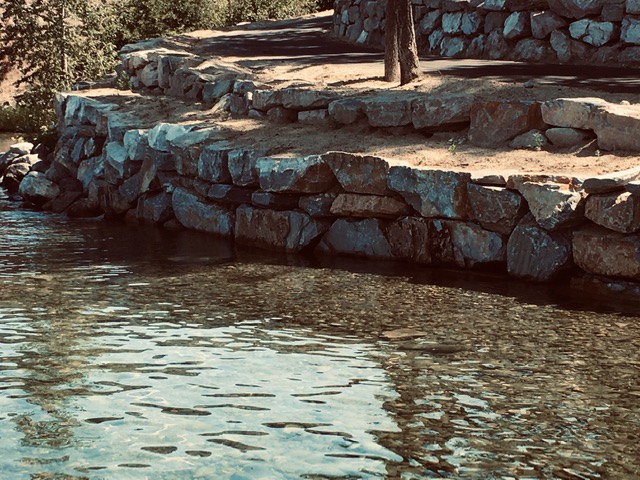
A block retention wall is a structure built from stacked concrete or stone blocks. Its job is simple: hold back soil and stop erosion on sloped or uneven ground. West Seattle’s hilly terrain, combined with heavy fall and winter rain, makes these walls especially useful here. Without one, water runoff can wash away topsoil, undermine walkways, and even threaten your home’s foundation over time.

If you’re comparing options, a block retention wall in West Seattle tends to be more affordable and faster to install than poured concrete alternatives. It also holds up well against our region’s wet, freeze-thaw cycles.

How Fall Weather Puts Extra Stress on Sloped Yards

Seattle’s rainy season typically ramps up in October and doesn’t let up until spring. That steady moisture saturates soil, making it heavier and more likely to shift or slide. If your yard already has drainage issues, fall rain can turn a minor slope problem into a major one.

Building a retention wall before the rain intensifies gives the structure time to settle properly. It also means you won’t be dealing with muddy, unstable ground during construction, which can slow down the process and drive up costs.

Signs Your Yard Might Need a Retention Wall

Not sure if your property needs one? Look for these warning signs:

  • Visible soil erosion or bare patches on a slope
  • Cracks forming in nearby patios, walkways, or driveways
  • Water pooling near your foundation after rain
  • A retaining structure that’s already leaning, bulging, or crumbling

Any of these point to a drainage or grading issue that a properly built wall can solve.

The Benefits of Installing a Retention Wall Before Winter

Getting a wall installed in fall offers a few clear advantages. First, contractors often have more scheduling flexibility before the winter rush. Second, dry-to-moderate fall conditions make it easier to grade soil and set a solid base. Third, and most importantly, you’ll have protection in place before the heaviest rains arrive.

A well-built retention wall also adds curb appeal. Many homeowners use the wall to create usable flat space for gardens, patios, or seating areas that weren’t possible on a slope before.

What to Expect During Installation

A typical retention wall project starts with a site evaluation. A contractor will look at your soil type, slope grade, and drainage patterns to determine wall height, material, and placement. Proper drainage behind the wall matters just as much as the blocks themselves. Without it, water pressure can build up and cause the wall to fail over time.

Installation usually takes a few days to a week, depending on the wall’s size and site conditions. Most professionally built walls come with a workmanship guarantee, so ask about that before you sign a contract.

Frequently Asked Questions

How much does a block retention wall cost in West Seattle?
Costs vary based on wall height, length, and material, but most homeowners can expect a range depending on site complexity. 

Do I need a permit to build a retaining wall in Seattle?
Walls over a certain height, often four feet, typically require a permit in Seattle. A local contractor familiar with city codes can help you navigate the process.

How long does a block retention wall last?
With proper drainage and installation, a well-built block wall can last several decades. Regular inspections help catch small issues before they become costly repairs.

Ready to Protect Your Yard This Fall?

Don’t wait for the first big storm to find out your yard has a drainage problem. If you’re seeing early signs of erosion or foundation stress, fall is the ideal window to get a block retention wall installed before winter rain arrives. Eagle Rock Landscaping Inc. can evaluate your slope, walk you through material options, and get your project scheduled before the rainy season ramps up. Call or book a consultation today to protect your home for the seasons ahead.


Seattle Rockery vs Retaining Wall: Compare Costs, Benefits, and Durability

rockery vs retaining wallIf you have a sloped yard in Seattle, you have probably asked yourself whether a rockery or a retaining wall makes more sense for your property. Both options hold back soil and prevent erosion, but they work in different ways and fit different budgets. Here is what you need to know before you choose.
What Is the Difference Between a Rockery and a Retaining Wall?

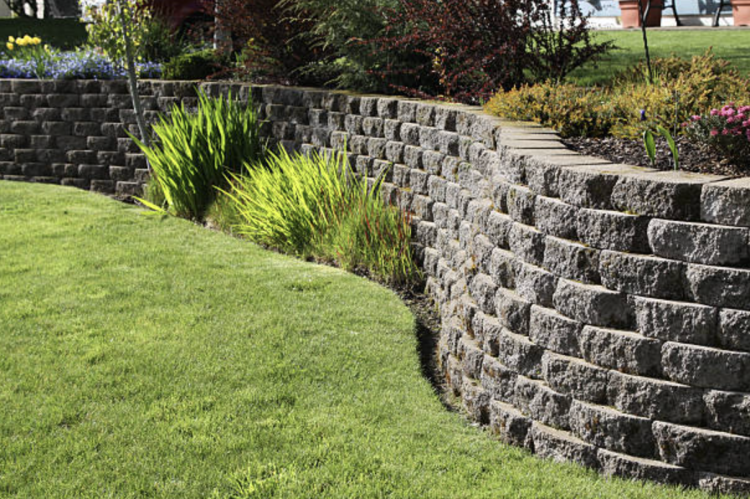
A rockery uses large, interlocking boulders stacked without mortar to hold back a slope. The weight and shape of the stones create natural stability, similar to how boulders settle on a hillside over time. A retaining wall, on the other hand, is typically built from poured concrete, concrete blocks, or timber, often reinforced with steel or engineered drainage systems.

Rockeries tend to have a more natural, organic look. Retaining walls offer a cleaner, more uniform appearance. Your choice often comes down to the style of your home and the slope you are working with.

Comparing Costs for Rockeries and Retaining Walls in Seattle

Cost is usually the first question homeowners ask. In general, rockeries cost less per square foot than engineered retaining walls, mainly because they use fewer materials and require less specialized labor. However, the price can shift depending on stone size, slope height, and site access.

Retaining walls, especially those built to meet Seattle’s engineering codes for taller slopes, often involve permits, drainage systems, and structural reinforcement. These steps add to the cost but are necessary for safety on steep or unstable ground.

If your budget is tight and your slope is moderate, a rockery may offer the best value. For taller slopes or areas near a foundation, a retaining wall might be the safer long-term investment.

Which Option Lasts Longer in Seattle’s Climate?

Seattle’s wet winters and clay-heavy soil put pressure on any structure holding back a hillside. Rockeries handle this well because water drains naturally between the stones instead of building up behind a solid barrier. This reduces the risk of hydrostatic pressure, which is one of the leading causes of wall failure in the Pacific Northwest.

Retaining walls can last just as long, but only if they include proper drainage, like weep holes or gravel backfill. Without that drainage, walls are more likely to crack, lean, or fail over time.

Choosing Between a Rockery and Retaining Wall for Your Property

There is no single answer that works for every yard. A few factors should guide your decision:

Slope height. Shorter slopes often work well with either option. Taller slopes usually need the engineering strength of a retaining wall.

Soil type. Seattle’s clay soil holds water, which favors the natural drainage of a rockery in many cases.

Budget. Rockeries are often more affordable upfront, while retaining walls may offer more design flexibility for complex spaces.

Aesthetic goals. If you want a natural, landscaped look, a rockery blends well with plants and garden beds. If you prefer clean lines, a retaining wall may suit your home better.

A local hardscaping expert can walk your property and recommend the right fit based on your slope, soil, and drainage needs.

Frequently Asked Questions

Is a rockery cheaper than a retaining wall?
In most cases, yes. Rockeries typically cost less because they use fewer engineered materials and less labor. Retaining walls can cost more, especially when permits and drainage systems are required for taller slopes.

Do rockeries need a permit in Seattle?
It depends on the height of the slope. Seattle often requires permits for rockeries or walls taller than four feet. A contractor familiar with local codes can confirm what applies to your project.

How long do rockeries last compared to retaining walls?
Both can last for decades when built correctly. Rockeries benefit from natural drainage between stones, while retaining walls need proper drainage systems built in to avoid pressure damage over time.

Ready to Compare Your Options in Person?

Choosing between a rockery and a retaining wall is easier with an expert eye on your actual slope, soil, and drainage patterns. Eagle Rock Landscaping Inc. can assess your property and help you decide which option fits your budget, your style, and your long-term goals. Call today or schedule a free consultation to get a clear plan for your yard.


Posted on July 16, 2026 | Published by Ignite Local | Related Local Business


Should You Install Retaining Walls in Seattle? How This Can Be a Beneficial Investment

retaining-walls-in-seattleSeattle homeowners know that the Pacific Northwest comes with breathtaking views and seriously challenging terrain. Steep slopes, heavy rainfall, and shifting soil are a way of life here. If your yard is fighting against gravity every season, you may be wondering whether installing retaining walls in Seattle is worth the cost. The short answer: yes, and here’s why.
What Do Retaining Walls Actually Do for Your Property?

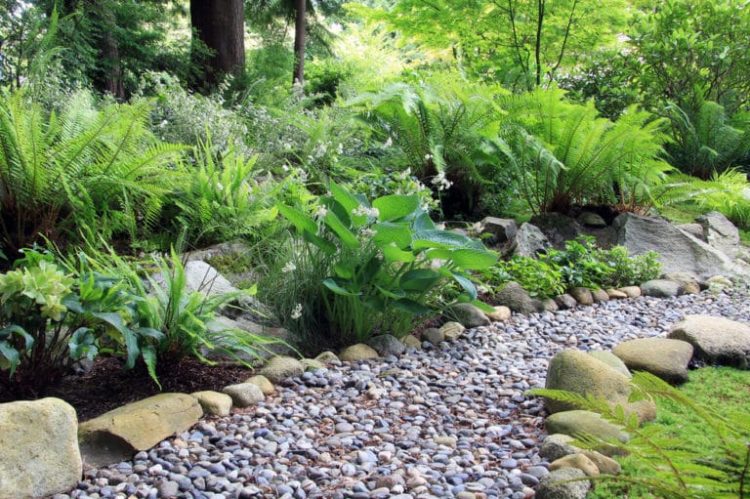
Retaining walls are engineered structures that hold back soil on sloped or uneven ground. They prevent erosion, redirect water drainage, and create flat, usable outdoor space on land that would otherwise be unusable.

In Seattle’s climate, that last point is especially important. Winter storms and heavy spring rains put constant pressure on hillside properties. Without proper support, soil can shift, slide, or wash away. A well-built retaining wall works as a long-term defense against that kind of damage.

Beyond the structural benefits, retaining walls dramatically improve curb appeal. They add visual definition to your landscape and can turn a sloped, messy yard into a tiered outdoor living area with purpose and style.

Are Retaining Walls in Seattle a Smart Financial Investment?

Yes, in most cases they are. Here is why the numbers tend to work in your favor.

First, retaining walls protect your property’s foundation. Unchecked erosion can undermine your home’s structural integrity over time. Repairing foundation damage is far more expensive than building a retaining wall proactively.

Second, they increase usable square footage. A sloped lot with a retaining wall system can add garden beds, patios, or even parking space where none existed before. More usable outdoor space translates directly to higher property value.

Third, they reduce maintenance costs. When soil stays in place, you spend less on reseeding, replanting, and cleaning up after every storm.

For Seattle homeowners specifically, the return on investment is strong because slope issues are so common in the area. Buyers and appraisers recognize the value of a properly engineered yard.

What Types of Retaining Walls Work Best in the Pacific Northwest?

Material choice matters a lot in Seattle’s wet climate. Here are the most popular options and what each one offers.

Concrete block walls are durable, low-maintenance, and handle moisture well. They work for both small garden borders and large structural applications.

Natural stone walls blend beautifully with Seattle’s wooded, Pacific Northwest aesthetic. They are a premium option that adds significant curb appeal.

Timber walls are budget-friendly and look natural in garden settings. However, they have a shorter lifespan in wet climates and require more upkeep over time.

Poured concrete walls are the go-to for high-load applications, steep slopes, and areas with serious drainage challenges.

The right choice depends on your slope grade, soil type, water flow patterns, and budget. A professional assessment will help you identify the right wall system for your specific situation.

Do You Need a Permit to Build a Retaining Wall in Seattle?

In most cases, yes. Seattle’s Department of Construction and Inspections requires permits for retaining walls over four feet tall (measured from the bottom of the footing). Walls on steep slopes or near property lines may have additional requirements.

Working with a licensed contractor ensures your project meets local building codes from the start. Skipping permits can create problems when you sell your home or file an insurance claim.

3 Frequently Asked Questions About Retaining Walls in Seattle

How long do retaining walls last in Seattle’s rainy climate? With proper installation and drainage, concrete and stone retaining walls can last 50 years or more. Timber walls typically last 20 to 30 years depending on maintenance. Drainage design is the single biggest factor in long-term durability.

How much does it cost to install a retaining wall in Seattle? Costs vary based on materials, wall height, and site conditions. Basic timber or concrete block walls may start around $25 to $40 per square foot. Natural stone or poured concrete walls with complex drainage systems can run $50 to $100 or more per square foot. Getting a site-specific quote is the best way to budget accurately.

Can I install a retaining wall myself, or do I need a professional? Small decorative garden walls under two feet tall can often be DIY projects. For anything structural, especially on sloped Seattle lots, professional installation is strongly recommended. Improper drainage or inadequate footings are the most common reasons retaining walls fail.

Ready to Stabilize and Beautify Your Seattle Yard?

If your property has erosion issues, unusable slopes, or drainage problems, a professionally installed retaining wall is one of the smartest investments you can make. It protects your home, increases your usable outdoor space, and adds lasting value to your property.

Eagle Rock Landscaping Inc. specializes in retaining wall installation and landscaping solutions designed for the unique challenges of Pacific Northwest terrain. Contact us today to schedule a consultation and get a free on-site estimate.


Posted on June 10, 2026 | Published by Ignite Local | Related Local Business


What Are the Benefits of a Rock Garden in West Seattle?

rock gardenIf you’re tired of fighting Seattle’s rainfall, soggy soil, and steep slopes, a rock garden might be exactly what your yard needs. Homeowners across West Seattle are discovering that the right mix of boulders, gravel, and native plants can solve real landscaping headaches while making the yard look incredible. Here are three benefits worth knowing before your next project.
3 Benefits of a Rock Garden in West Seattle

1. Rock Gardens Thrive in the Pacific Northwest Climate

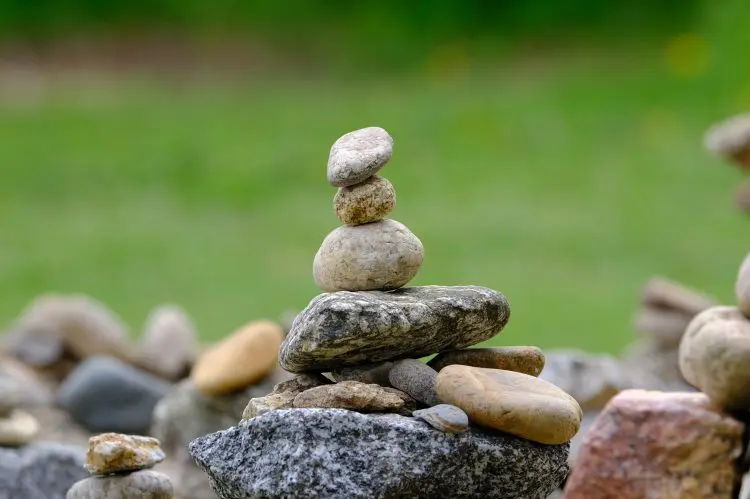
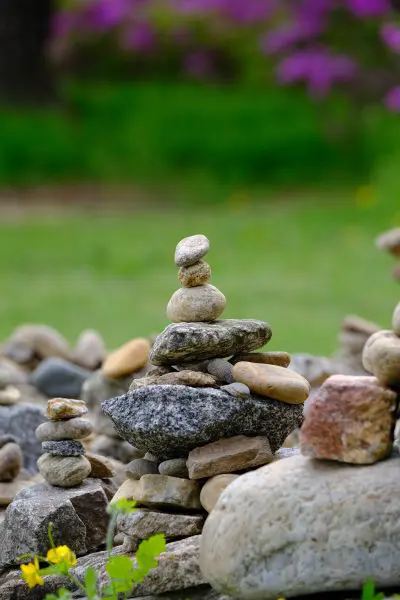
West Seattle’s weather is famously unpredictable. Heavy rain, mild winters, and dry summers can make traditional lawns and garden beds a constant struggle. Rock gardens are built for exactly this environment. The gravel and stone structure improves drainage fast. Water moves through instead of pooling, which protects plant roots and prevents erosion on hillside lots,  something many West Seattle properties deal with directly. Drought-tolerant plants like sedums, creeping thyme, and native ferns thrive between stones with very little intervention. Once established, they handle the dry season without regular irrigation. That means less work for you and a yard that genuinely fits where you live.

2. A Rock Garden Dramatically Reduces Yard Maintenance

One of the biggest benefits of a rock garden in West Seattle is how little upkeep it requires compared to a traditional lawn or garden bed. No weekly mowing. No reseeding bare patches. No fighting weeds through plastic edging that shifts every winter. Rock and gravel act as a natural weed barrier when installed correctly. A quality landscape fabric layer beneath the stone keeps weed pressure low year after year. Watering needs drop significantly too. Most rock garden plants are low-water by design. Once they’re rooted in, they largely take care of themselves through Seattle’s rainy season. For busy homeowners or anyone who wants a beautiful yard without spending every weekend in it, that’s a major win.

3. Rock Gardens Add Lasting Curb Appeal and Property Value

A well-designed rock garden isn’t just practical; it’s striking. The natural textures of boulders and stone create visual depth that plants alone can’t replicate. In West Seattle’s eclectic mix of bungalows, mid-century homes, and modern builds, a thoughtfully designed rock garden fits almost any architectural style. It gives the front yard a defined, finished look that photograph well and holds up over time. Unlike wood mulch that fades and decomposes, or sod that thins out in shaded areas, stone is permanent. The bones of a rock garden stay intact for decades with minimal intervention. From a resale standpoint, low-maintenance landscaping consistently appeals to buyers in the Seattle market. A rock garden signals that the yard is beautiful and easy to care for — a combination that adds real value.


Frequently Asked Questions About Rock Gardens in West Seattle

Q: How much does a rock garden cost in West Seattle? A: Costs vary depending on the size of the area, the type of stone selected, and whether grading or drainage work is needed first. A small accent rock garden may start around $1,500–$3,000, while a full front yard transformation with boulders and custom planting can range from $8,000 to $20,000 or more. Getting a site-specific estimate is always the best starting point.

Q: What plants work best in a rock garden in the Pacific Northwest? A: Low-growing, drought-tolerant plants perform best. Popular choices for West Seattle rock gardens include sedums, hens-and-chicks, creeping phlox, native ferns, dwarf conifers, and ornamental grasses. These plants handle the region’s wet winters and dry summers without a lot of extra care.

Q: Can a rock garden help with drainage problems in my yard? A: Yes. This is one of the most practical reasons homeowners in West Seattle choose rock gardens. Properly installed gravel and stone improve surface drainage significantly, reducing standing water and erosion on sloped lots. Paired with a French drain or dry creek bed, a rock garden can solve drainage issues that have plagued a yard for years.


Ready to Transform Your West Seattle Yard?

A rock garden is one of the smartest investments you can make in a Pacific Northwest landscape — built for the climate, easy to maintain, and beautiful for years to come.

Eagle Rock Landscaping Inc. specializes in custom rock garden design and installation throughout West Seattle and the greater Seattle area. Our team handles everything from site preparation and grading to stone selection and plant installation. Contact us today.


Posted on May 16, 2026 | Published by Ignite Local | Related Local Business

Seattle Rockery Near Me: How to Care for a Rock Garden

rockery near me seattleLandscape services for rockery near me are the way to go for hardscaping work on your Seattle lawn. A rock garden is desirable for many homeowners due to its low maintenance. However, low maintenance shouldn’t be confused with maintenance-free. There’s still some care required, albeit far less than a traditional garden. Here is how homeowners can care for a lawn composed mainly of hardscaping features.
Don’t Overdo the Irrigation

In a rock garden, most plants applied will be drought-tolerant. This means they’ll require far less water. In fact, too much watering can be detrimental. With that said, they do require consistent moisture. Whatever plants you apply, whether they be succulents or other species native to the Pacific Northwest, be sure to know their watering recommendations. The rule is to allow the water to fully penetrate and let the soil completely dry before watering again.

Weed Control

Weeds may not necessarily come to mind in a rock garden. However, as long as there’s soil and greenery, weeds will find a spot to grow unless you take proactive steps. Apply a weed-prevention membrane beneath the rocks. In fact, a solid layer of gravel will help block most of the sunlight and minimize the chances of germination. Professional services for rockery near me will usually apply some form of weed control.

Pest and Disease Control

Certain pests are drawn to rockeries. After all, the rocks provide ideal cover from both predators and the weather. While pests can’t really cause damage to hardscaping features, they can cause harm to sensitive plants. Pests to watch out for include aphids, slugs, and Japanese Beetles. If control is necessary, stick to chemical-free natural repellents and provide adequate spacing between plants to allow enough air circulation and minimize fungal growth.

Periodically Reposition the Stones

Gravel and pebbles will shift over time due to external factors like weather and foot traffic. Reposition them so the rocks form a uniform, consistent look across the terrain. Rock surfaces can and do collect mildew, especially in humid climates. Apply light brushing and rinsing to remove traces of surface debris. The keyword is “light.” Rocks form a natural patina over time, which most homeowners find cosmetically appealing. Light cleaning keeps the natural weathering intact.

Be Mindful of Seasonal Care

The rocks are subject to different conditions throughout the year. For example, spring and summer are the seasons to be mindful of mildew and algae growth, as well as weed control. In winter, prevent frost damage. Certain species, especially vegetable-producing plants like tomatoes and basil, are susceptible to frost. If it gets cold enough, transfer these into containers and move them indoors. With professional rockery near me, a landscaper will apply the necessary care depending on the season and weather.

Need Services for Seattle Rockery Near Me?

If you need rockery near me, entrust your hardscaping needs to Eagle Rock Landscaping. We create a rockery landscape for your residence or commercial property and provide continued maintenance service. Contact us to set up an appointment for an assessment of your lawn and a consultation from a professional hardscaper. 

Professional Rockery Near Me

Serving Seattle, West Seattle, North Seattle, Ballard, Magnolia, and Issaquah

Posted on April 09, 2026 | Published by Ignite Local | Related Local Business

How a Concrete Retaining Wall Can Offset Soil Erosion in North Seattle

concrete retaining wall north seattleIf you own a home in North Seattle with a lawn, then there’s a high likelihood that there’s greenery. Underneath that greenery is soil, which is essential for a healthy lawn. A concrete retaining wall is an effective installation for keeping the soil firmly in place and offsetting erosion. Learn the role retention walls play in maintaining a healthy landscape and how they can benefit homeowners in more ways than one.
What Is Soil Erosion and Why Is It Problematic?

Soil erosion refers to the loss of soil through natural means. In most cases, it’s caused by rainfall. This is especially true for properties resting on a slope. As rainwater pelts the surface, it drips downward, carrying a portion of the top-layer soil with it. Soil provides essential nutrients, and erosion leads to loss of vital vitamins and minerals for grass, shrubbery, and trees resting on your property.

Over time, extensive erosion stunts the growth of plant life. It causes premature death and the browning of grassy turf. This is unsightly and a major eyesore that takes away from the curb appeal. Furthermore, a lack of a barrier in place can lead to water ponding. Lingering water can create a host of problems, from foundational damage to pest infestations.

What Is a Concrete Retaining Wall?

A concrete retaining wall is an erect wall installed outdoors. Functionally, it acts as a barrier that keeps soil in place. Retention walls can be made from a variety of stones. It can also be made from concrete, which is the main focus of this discussion. Concrete is favored for its relatively easy and inexpensive installation. Contrary to belief, its application isn’t limited to industrial use. It’s also increasingly being favored among homeowners. The wall surface provides plenty of space for additional decor.

How Does a Retention Wall Prevent Soil Erosion?

A retaining wall is typically installed at the bottom of a slope or near the property’s perimeter. It serves as a physical barrier that holds soil in place and prevents erosion. Most walls contain drain holes, so the water exits, while the soil remains. Landscapers may recommend a concrete retaining wall installation if your lawn meets the following conditions:

  • The property is situated on a slope
  • The region is known for heavy rainfall and wind
  • The area has an extensive lawn
  • The owner has expressed an interest in maintaining a vibrant landscape

Additional Benefits of a Concrete Wall

While homeowners have multiple retaining wall options, concrete may be the choice to go for several reasons. We mentioned ease of installation and low cost as the main variables. Consider these other factors.

  • Concrete is highly durable and can last for years with little maintenance.
  • Concrete walls can be installed in a tiered and/or modular structure. This is trendy and great for homeowners interested in an urban landscape design.
  • Precast concrete is highly weather-resistant and can withstand harsh environmental stressors.
  • Precast concrete is constructed mainly from recyclable and renewable materials, making it a sustainable solution.
  • Once the wall is installed, it doubles as both a noise and privacy barrier.

Interested in a Concrete Retaining Wall Installation in North Seattle?

If you think a concrete retaining wall may do well for your North Seattle lawn, get in touch with Eagle Rock Landscaping. We have years of industry experience under our belt, including retention wall installations and other landscaping services. This includes excavation, drainage, masonry, and hardscaping work. Contact us to set up a consultation and a live assessment of your lawn.

Concrete Retaining Wall Installation for Erosion Control

Serving Seattle, West Seattle, North Seattle, Ballard, Magnolia, and Issaquah

Posted on March 08, 2026 | Published by Ignite Local | Related Local Business

French Drains for Yard Drainage: How to Use Rockery for Optimal Drainage in Issaquah

french drains for yard drainage issaquahMore homeowners are inquiring about French drains for yard drainage. This is a legitimate subject when it comes to exterior renovations. Remodeling work for the lawn isn’t just about the looks but also about functionality, and a functional lawn needs to address drainage. Fortunately, if done correctly, a rockery landscape can optimize drainage. Here is how to use rockery features to minimize lingering water.
Why Proper Drainage Matters

If the rockery isn’t implemented in a way that directs water flow, it can lead to a host of issues. For starters, it can lead to water ponding in certain areas for prolonged periods. In turn, this can lead to soil erosion. It can also lead to soil saturation that can be unhealthy for roots, especially for plants that thrive under dry conditions. Finally, stagnant water can loosen stones and create slippery surfaces. Stepping stones, for example, may shift when stepped on.

The Role of Excavation

Depending on your property’s terrain, the landscaper may recommend some excavation work to ensure optimal drainage. Ideally, surfaces shouldn’t be completely flat but have a 2% slope, with a descent that directs water away from the property and to a built-in drainage system. French drains for yard drainage often require excavation as a pre-installation step. When installed properly, rainwater will naturally slide off the slope rather than linger until evaporation.

Stone Selection

The landscaper will advise you on the optimal stones to maximize drainage. Typically, this won’t be just one or two rock types, but multiple stones that can be installed in layers to filter and direct water movement. For drainage, choose stones known for their porosity. This usually consists of gravel and crushed stone. Masonry with solid surfaces like concrete slabs is usually not recommended, though concrete may still be a part of a hardscape-heavy lawn.

Drainage Selection and Type

French drains for yard drainage are the most common type and are applicable for most properties due to their practicality and relative ease of installation. This is a gravel-filled trench containing a pipe that directs water away from the main property. In a rock garden, the drain is usually installed along the base or where water tends to collect. While French drains are great, the landscaper may suggest other drain types based on the property’s layout. This includes dry wells, footing drains, swales, and open ditches.

Gravel as Mulch

Hardscaping features should also make effective use of mulch as a protective barrier for the soil. Limit the use of common mulching material that absorbs moisture, such as straw and bark. Instead, aim for crushed gravel to assist in surface drainage. Gravel is also effective for minimizing weed growth without locking in moisture. Apply gravel as mulch, but avoid applying too close to plant stems.

Drainage Maintenance

Once installed, French drains for yard drainage don’t require a whole lot of maintenance. Homeowners should periodically inspect the drain system for debris and other obstructions. It’s also a good idea to closely monitor plants and flowers. If you see signs of wilting, this may indicate excessive moisture and, therefore, a drain that is not effectively removing water.

We Install French Drains for Yard Drainage in Issaquah

If you need to improve your property’s drainage capabilities, then entrust Eagle Rock Landscaping with a lawn makeover. We install French drains for yard drainage, as well as other drain types that best suit the property’s specific geographical makeup. Contact us to set up an appointment for an assessment of your landscape.

French Drains for Yard Drainage

Serving Seattle, West Seattle, North Seattle, Ballard, Magnolia, and Issaquah

Posted on February 08, 2026 | Published by Ignite Local | Related Local Business

5 Reasons an Outdoor House Renovation Is a Great New Year’s Resolution in Magnolia

outdoor house renovation magnoliaWith 2026 here, now is the time to contemplate resolutions for the new year. For many people, this may entail health and finance-related goals. However, another resolution that’s often overlooked is better home living, particularly for your lawn. Why not invest in an outdoor house renovation as part of your goals? Here are five reasons exterior remodeling is a terrific investment.

Invest in Minimal Maintenance Hardscape Features

One thing people want more of for the new year is more time to do leisure activities. The best part about hardscaping features is that it requires little maintenance once installed. Hardscape elements comprise gravel walkways, stepping stones, retaining walls, and other masonry. Unlike grass and greenery, these don’t require trimming, watering, mulching, mowing, etc. This saves you tremendous time in DIY lawn care. If you normally hire a landscaper, this will save you money.

Better Erosion Control

Retaining walls are one of the mainstay features of an outdoor house renovation. Apart from improving curb appeal, the stone walls are equally functional by improving drainage and reducing soil loss through erosion. Rain and wind are the primary contributors to soil erosion. This leaves the ground bare of essential nutrients, in turn leading to poor growth and common lawn diseases. Retention walls act as a barrier that holds the soil firmly in place. 

In addition, properly installed retention walls contain drainage holes that prevent water from puddling. Water ponding can oversaturate lawns and lead to poor health of grass and shrubbery. Too much water that lingers can also become a breeding ground for pests.

Better for the Environment

An outdoor house renovation rich in hardscaping features is good for the environment. How so? Since these lawns consist mainly of stone and rockeries, they don’t require watering and extensive irrigation systems. This is a huge benefit for the environment. For reference, the average household uses about one to 1.5 inches of water for its garden or yard daily. Eliminating this or significantly minimizing it is an initiative towards sustainable living. It’s especially beneficial for homeowners living in drought-prone areas.

Features Designed for Longevity

Stones come in various sizes, shapes, and dimensions. However, one thing they all have in common is that they are highly and naturally durable. They last for upwards of decades. Even if there’s a crack or fracture, individual stones or slabs can be replaced in most instances, making repairs affordable. 

Keep in mind that some stones, such as sandstone, are porous and are more prone to damage. However, this can be remedied with proper sealing. Be sure to consult with the landscaper about whether the stones they procure are sealed if the stone type is known for porous qualities.

Boost Property Value

Home buyers prioritize hardscaping features for the simple reason that they’re, as mentioned, minimal maintenance. Mentioning that the property received a recent outdoor house renovation in the ad can be an advantageous selling point. It could also swing negotiations in your favor, especially if other properties in the area lack minimal-maintenance, outdoor features.

Kickstart the New Year with an Outdoor House Renovation for Your Magnolia Home

The New Year is an ideal time for change. One way for a noticeable change is through an outdoor house renovation. An exterior remodel rich in hardscape features is a change that can be felt and brings new beginnings. Eagle Rock Landscaping can be the source of this change. We have a wealth of history providing hardscaping and rockery installations to properties in Magnolia. Contact us to set up a consultation.

Outdoor House Renovation from Expert Hardscaping Specialists

Serving Seattle, West Seattle, North Seattle, Ballard, Magnolia, and Issaquah

Posted on January 09, 2026 | Published by Ignite Local | Related Local Business