
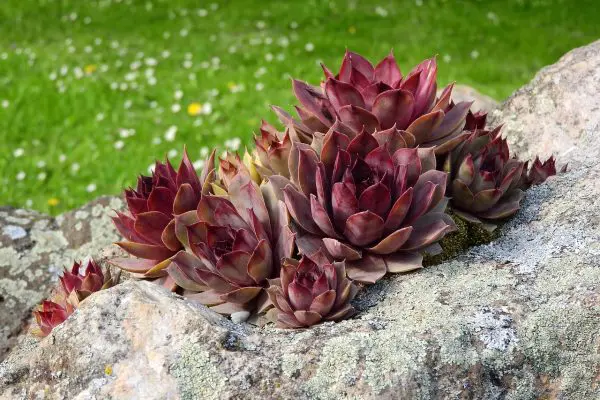
 Incorporating a landscape rockery into your residential or commercial property is a great way to add immense curb appeal while minimizing maintenance. However, there’s a lot of strategy that goes into it, and many property owners make mistakes that detract from the appeal of rockery landscapes. Here are the common mistakes we have observed from clients and why they’re less than optimal for a rock garden.
1. Not Taking Drainage Into Consideration
One of the biggest appeals of a rock garden is that the compiled rocks act as natural drainage. However, this doesn’t mean that you can forget about soil conditions. If the soil is heavily compacted, then water is going to collect and linger no matter how well the rocks are layered. Water accumulation can oversaturate plants and shrubbery, not to mention it can attract unwanted pests like mosquitoes.
Prior to rockery installation, have the soil tested to determine its ability to absorb water. Compact soil may require soil remediation before major renovations can get underway.
2. Using too Many Rock Variants
With respect to rockeries, more isn’t necessarily better. Too much variety can be counterproductive. As a general rule, limit rock selection to no more than two. For most properties, we recommend using rocks local to the Pacific Northwest. The rocks are locally sourced for a positive environmental impact. Plus, it emulates the look of nature that’s within a stone’s throw of your residence. If you want more contrast, then consider one to two rocks of differing sizes, shapes, and dimensions.
3. Using Naked Soil
Naked soil and landscape rockery aren’t a particularly good combination for several reasons. First, the available rocks may not provide adequate shading for the soil, thus exposing the surface to too much heat. The exposure can also be detrimental to beneficial soil organisms. Rock gardens and the soil go best together with adequate mulching. Luckily, there are plenty of mulching materials that complement the surrounding rockery. Aim for gravel and pebbles, and limit the use of compost and wood chippings.
4. Not Addressing Weeds
Weeds can still grow in a landscape rockery garden. Too many weeds can detract from the appearance of the hardscaping features. Mulching will limit weed growth but not stop it entirely. Perform a weed check once a week and pull weeds when they’re in the sprouting stages. Another prevention strategy is to use a weed barrier. Most barrier materials are made from fabrics that match well with the rock-heavy surroundings. They’re also inexpensive and cheap to install.
5. Not Watering Enough
One of the perks of landscape rockery is that it limits maintenance, especially when it comes to watering. However, this doesn’t mean the garden needs zero water. Rock gardens less than one year of age will still require regular watering, especially in the summer. Water every two to three weeks, as well as when the soil appears dry and crusty. The soil should appear moist but not too soggy. Once the garden has had time to establish itself, you can cut back on the irrigation.
Interested in Landscape Rockery for Your West Seattle Property?
As we approach the end of 2025, it’s time to start contemplating property renovations as part of your New Year’s resolution. Landscape rockery is one pathway that has significantly transformed the curb appeal of countless homes in West Seattle. Leave the task to Eagle Rock Landscaping for landscaping and rockery work. We’ll work with you to create the ideal scenery tailored to your preferences and outdoor layout. Contact us to set up a consultation.
Expert Landscape Rockery Installation
Serving Seattle, West Seattle, North Seattle, Ballard, Magnolia, and Issaquah
Posted on December 09, 2025 | Published by Ignite Local | Related Local Business
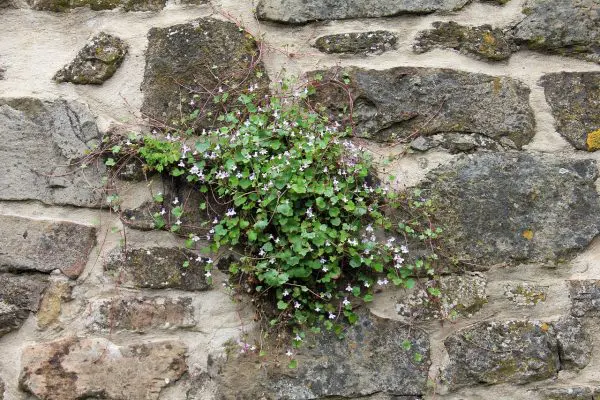 Do you have plans of building a retaining wall for your Ballard home or commercial property? If so, there’s likely a lot of logistical questions running through your mind. One such inquiry is whether you need a permit before the construction process can begin. If so, how do you go about the process of obtaining one? The answer isn’t a straightforward yes or no. It requires deeper explanation, which we will discuss in depth.
 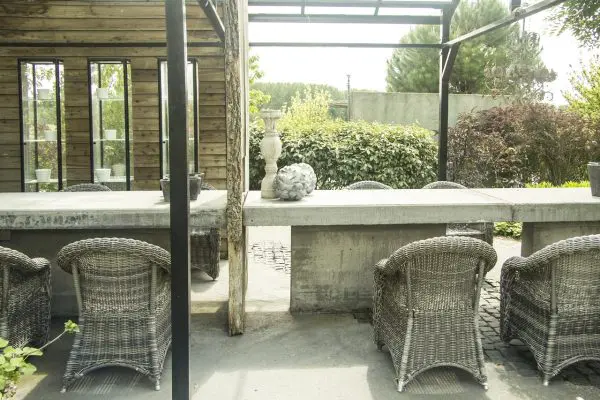 Traditionally, concrete has had a bad reputation among homeowners since it tends to have a bland and industrial appearance. However, contrary to popular belief, concrete isn’t limited to the flat, gray slab we’re accustomed to seeing on the sidewalk. Decorative concrete is becoming a trend among homeowners as a long-lasting and visually appealing solution for patio floors and driveways. Here are the benefits associated with this outdoor flooring type.
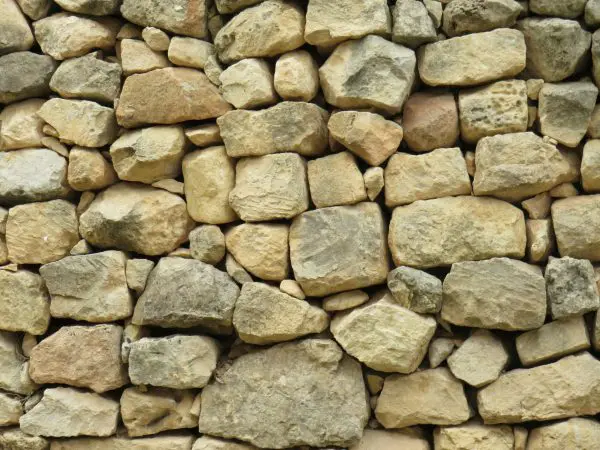 Are you contemplating an exterior renovation for your Issaquah property? If so, you can’t go wrong with hardscaping features, which are a cornerstone of stone and masonry work. A lawn rich in natural stone evokes a vibe of connecting with nature. Visuals aside, stones also require little to no maintenance and last for decades. If you’re considering rockeries, there are common types of masonry work used on residential and commercial renovations.
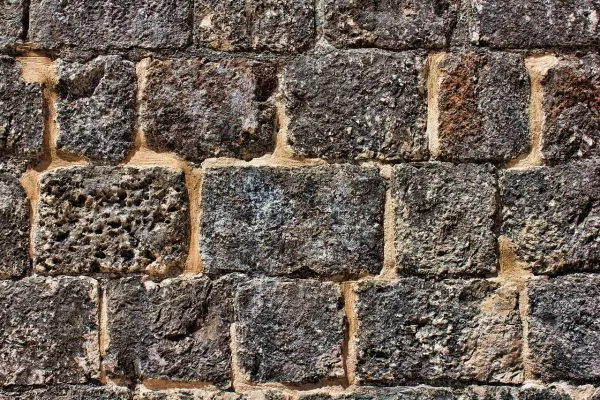 If your lawn has a retention wall, then you understand the value it plays in soil retention. For the most part, the retention wall blocks don’t require much maintenance. After all, they are mainly made from stone or concrete, which is highly durable and long-lasting. Nevertheless, there are active steps North Seattle homeowners can take to prolong their lives further. Here are some considerations to ensure you get the most out of this important exterior fixture.
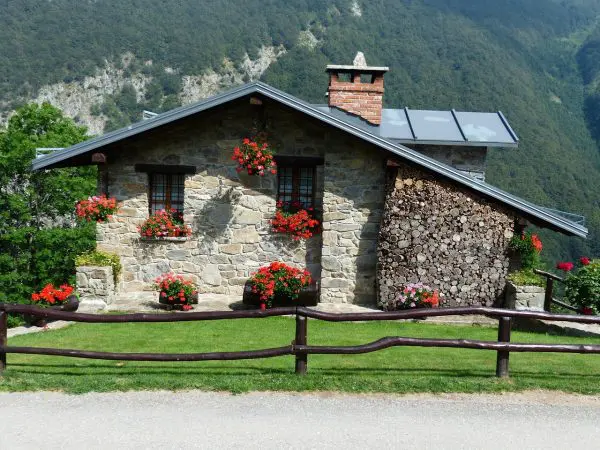 Renovating the outdoor portion of your property with stone mason work is a great way to add curb appeal without increasing maintenance and upkeep. Summer is actually an ideal time for this type of makeover. Find out why this season is a good time of year for exterior remodeling that will last for years and make your home the envy of the neighborhood.
 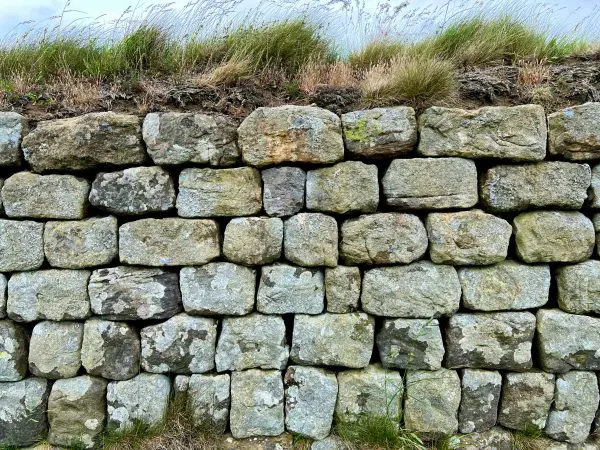 Does the exterior portion of your home contain a retention wall? If not, you could be missing out on new curb appeal elements and functionality. Retaining wall stones are utilized by landscapers to provide the right balance between looks and function. On the cosmetic front, the stones are available in different types that complement nicely with various home styles and architecture. Here’s a list of common stones that are commonplace for West Seattle properties.
 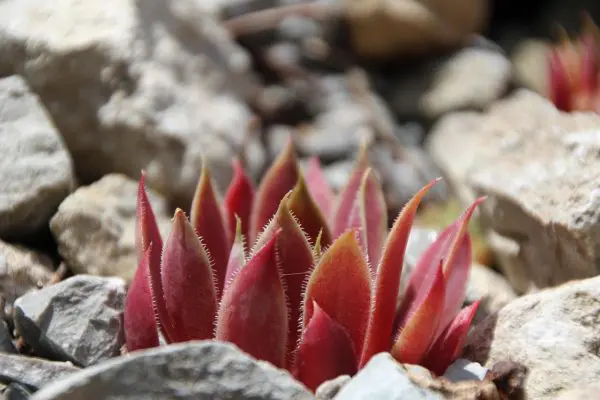 As you can probably guess, a rockery garden is exactly as its name implies. It’s a garden that makes heavy use of rocks, masonry, and other hardscape features. While there is still foliage, the rockery is the main cornerstone. This is a feature that is starting to appeal to more homeowners in and around Ballard. Here are the advantages associated with this type of garden and how it can make your lawn more functional and cosmetically appealing.
 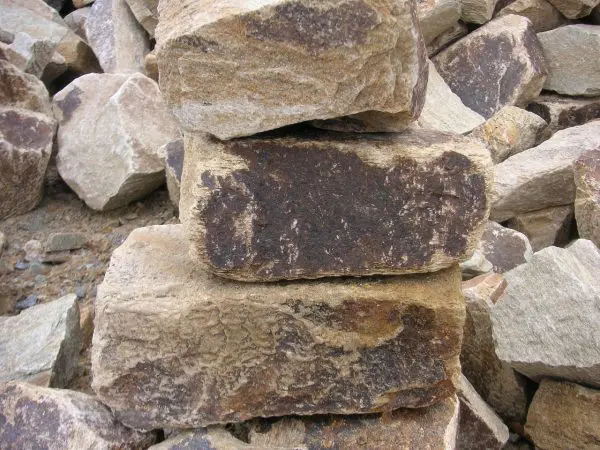 There are many types of stones and masonry available when aiming for a hardscape-heavy renovation for your Issaquah property. One great addition is limestone rockery. Learn about this material and why it may be a great addition to the exterior portion of your home or place of business. This can provide timeless beauty minus the heavy maintenance.